Commissioner Rawalpindi vows to replicate IRRC model in Rawalpindi district
Background:
Municipalities in the low-income, developing countries spend a major proportion of their municipal revenues on Solid Waste Management (SWM). Yet service levels remain low while most disposals are deemed as unsafe. The situation is likely to worsen due to continuing population growth and urbanization in these countries. Like other developing countries, Pakistan too faces serious environmental problems. A large proportion of the municipal waste is either burned, dumped or buried illicitly on vacant land in many towns and even major cities, causing significant environmental damage and threatening human health.
Worse, there are no SWM systems in place to deal with potentially hazardous waste; systems dealing with medical waste are particularly inadequate. Therefore solutions are needed urgently.
All major cities, be it Islamabad, Lahore, Rawalpindi, Karachi, Quetta and Peshawar are facing enormous challenges in tackling the problem of urban waste. The far reaching and severe effects of climate change globally have resulted in massive human and capital loss, infrastructural damages due to natural disasters and social upheaval for the most affected communities in developing countries. Ironically, the contributors to climate change are the least affected out of its disastrous effects and hence, the effected ones are those with no or very limited means to adaptive mechanisms to minimize the effects of climate change.
Dr Akhtar Hameed Khan Memorial Trust as specialists in the solid waste management, Dr Akhtar Hameed Khan Memorial Trust in collaboration with donors, partners, government UN Agencies and local communities tries to improve the living standards of local communities by addressing their waste management issues by committing to best practice to ensure cost-effective, safe and environmentally sound methods of solid waste disposal.
8th Anniversary of IRRCs set up by AHKMT
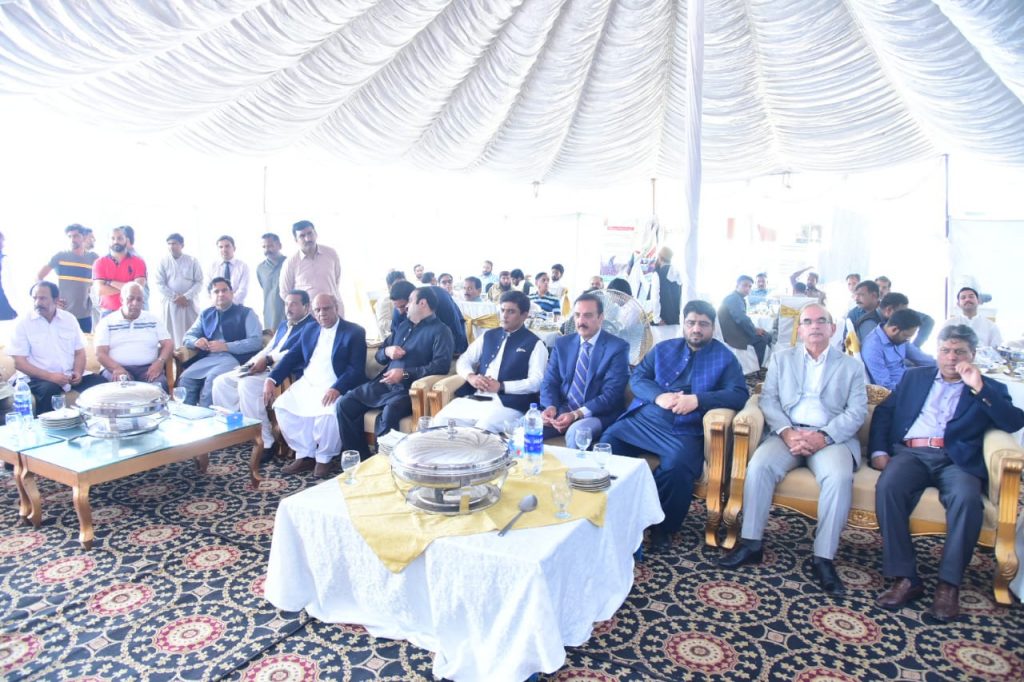
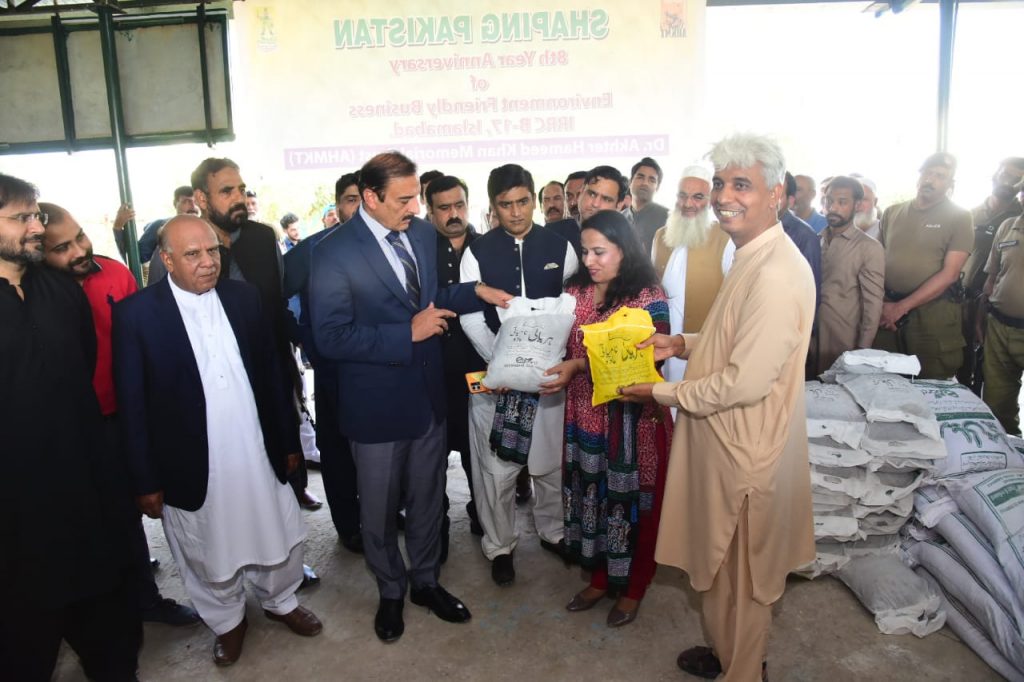
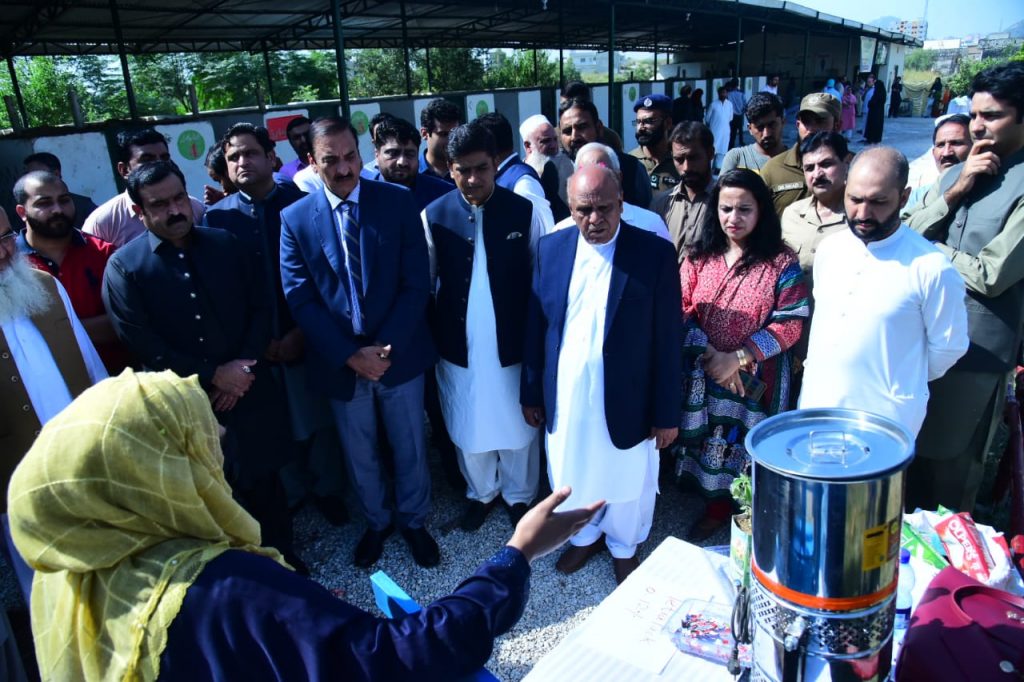
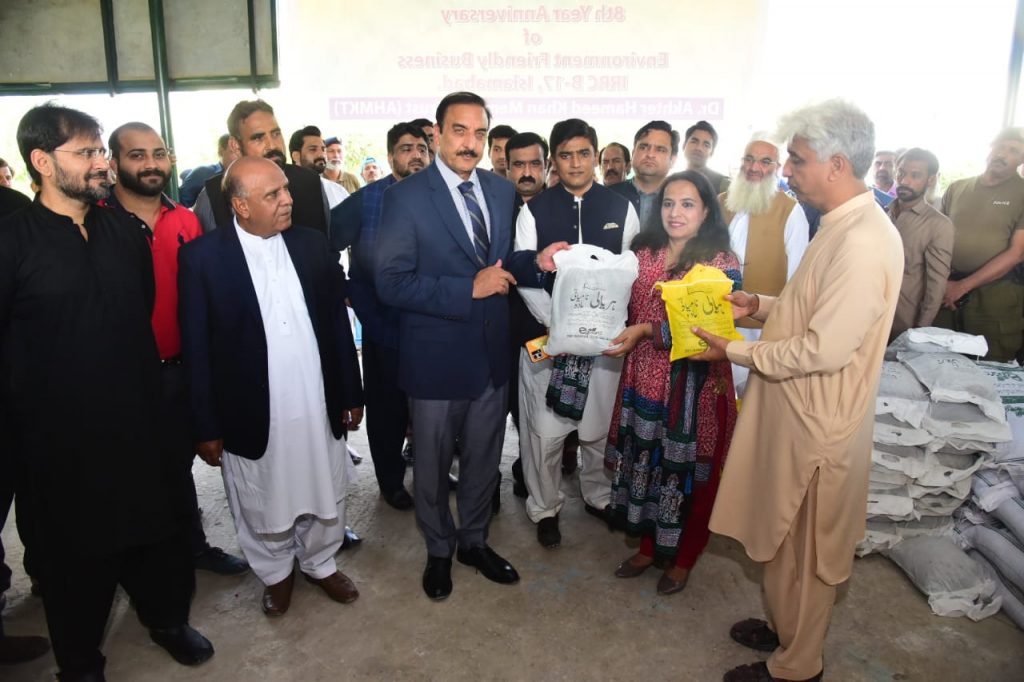
At the 8th anniversary of Integrated Resource Recovery Centers in Pakistan set up by Dr Akhtar Hameed Khan Memorial Trust in B-17 here on October 12, 2023, the speakers were of the view that waste management has always been looked as an issue from the lens of crisis which instead should be deemed as an opportunity. They said waste provides lots of openings to stakeholders who should realize that if it is treated as a business model around the world, then the time has come when it should be treated like an opportunity in Pakistan too instead of a crisis.
They were of the view that the enormous volume of municipal solid waste generated daily in the twin cities of Rawalpindi and Islamabad is causing environmental degradation and the authorities concerned should take the bull by the horn and address the serious issue to avert an environmental disaster. Current practices of dumping waste is creating environmental disasters and contributing towards climate changes. Inappropriate waste management contributes to increase not only the emission of water, atmospheric pollutants and odors, but also the emission of greenhouse gases (GHGs).
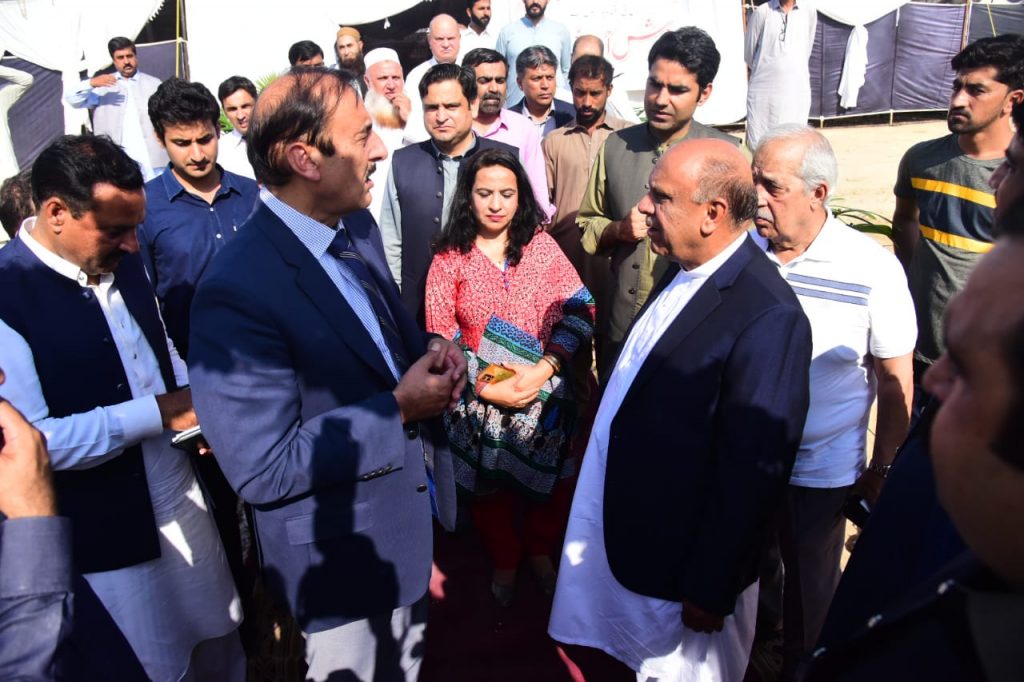
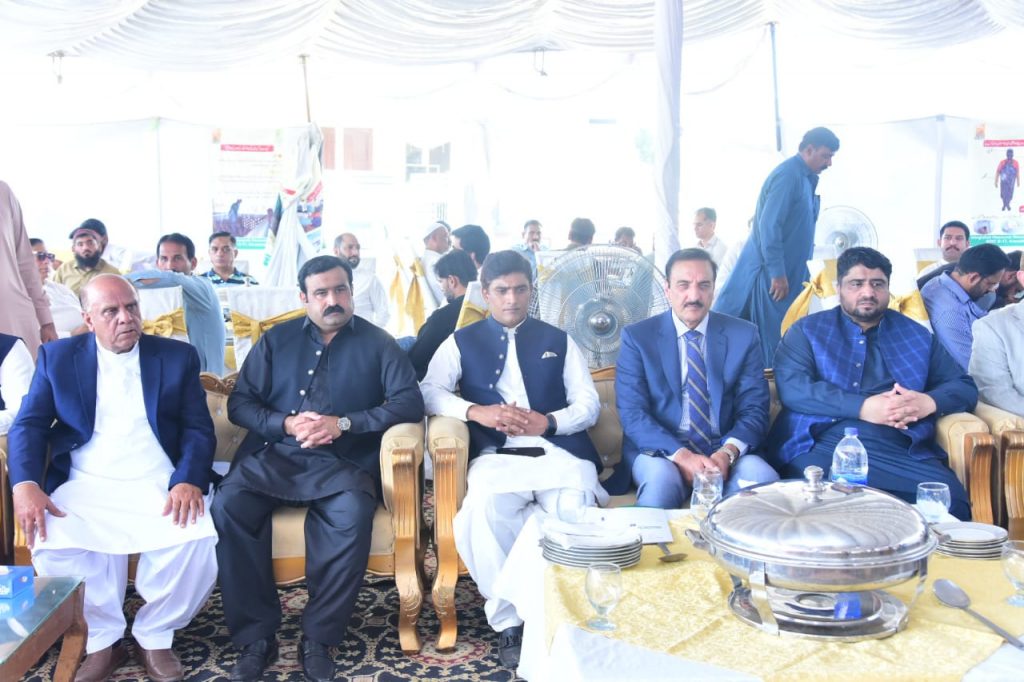
Commissioner Rawalpindi LIaqat Ali Chattha was the chief guest of the ceremony which was presided over by Multi Professional Cooperative Housing Society (MPCHS) President Mohammad Aslam Rao, while the guests of honour included MPCHS Vice President Chaudhry Zafar Ali, MPCHS Secretary Chaudhry Nadeem Sarwar, AHKMT CEO Sumaira Gul, AHKMY Board Members Edwin Samson, Almas Shakoor, e-Guard CEO Hamid Ullah and Bilawal Khan.
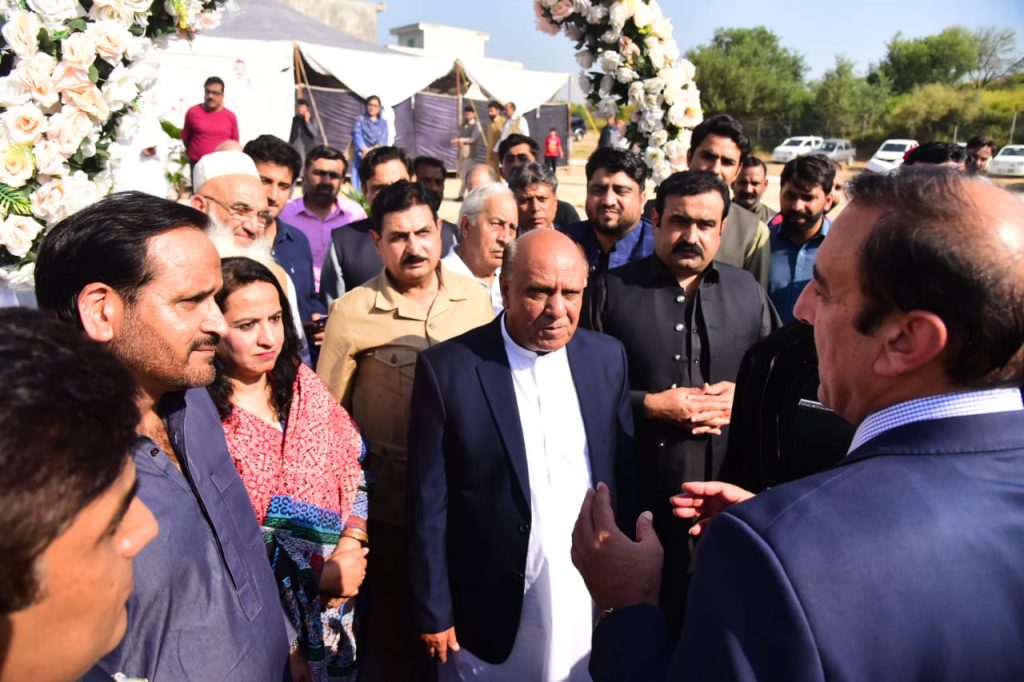
Speaking on the occasion, Commissioner Rawalpindi LIaqat Ali Chattha said that he was pleased with the work of AHKMT and MPCHS, and stressed the need of taking small steps to address the issue of solid waste. He recalled how urbanization has led to the massive growth of Rawalpindi’s population that has dealt a blow to the expectations of city planners. Regretting that waste management had never been a priority of city planners, he hoped that the time has come to address this serious issue more seriously and IRRCs should be replicated in rest of Pakistan to address the issue.
MPCHS has been doing a commendable job for its residents and I would like to appreciate people like Ms Sumaira Gul, CEO of Dr Akhter Hameed Khan Memorial Trust for doing such a commendable job. I would like that such projects should be replicated in other towns like Murree where waste is collected in small dumpers and then transferred to Islamabad and then in Rawalpindi’s Chak Beli transfer station. Why not such system should be replicated in Murree so that it can help address their solid waste woes. This is a matter of contemplation for us that an initiative by this housing society is appreciable and this should be further developed and the people working on this model should replicate it in other housing societies. I would make sure that all such projects which we will launch like PHA is going to launch its project and deputy commissioner Attock has worked on it and this model is going to be replicated there in two to three union councils. This year current Punjab government particularly chief secretary Punjab and chief minister Punjab have introduced sweeping services in each and every union council at village level for improving the cleanliness in these areas and if we can establish IRRC like setup at each union council level then they will not require dumping sites and waste could be disposed of in an environment friendly manner
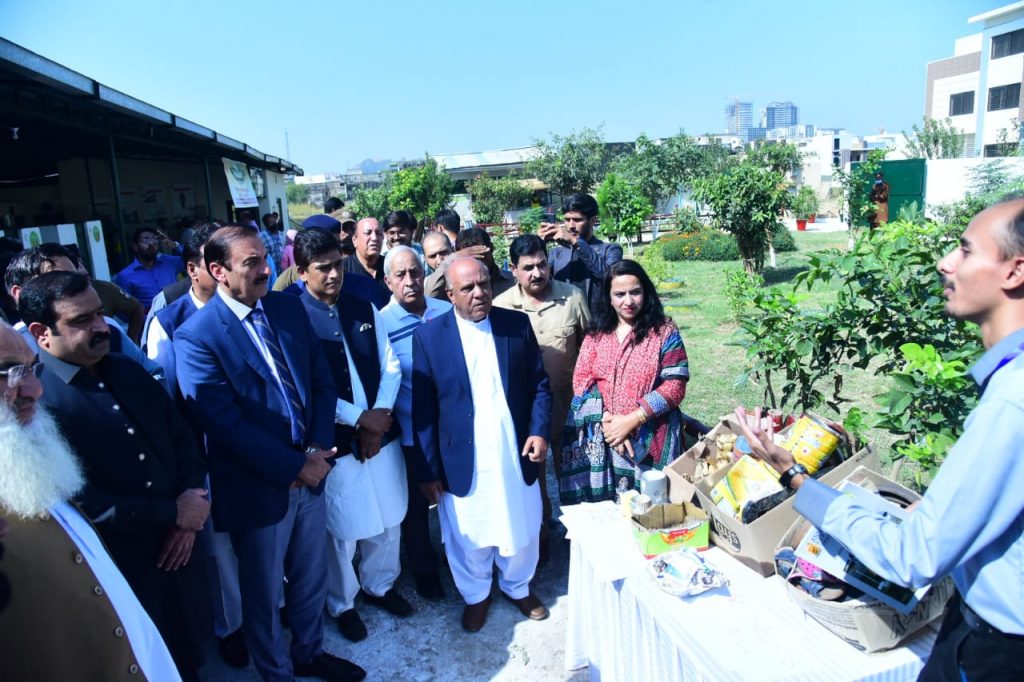
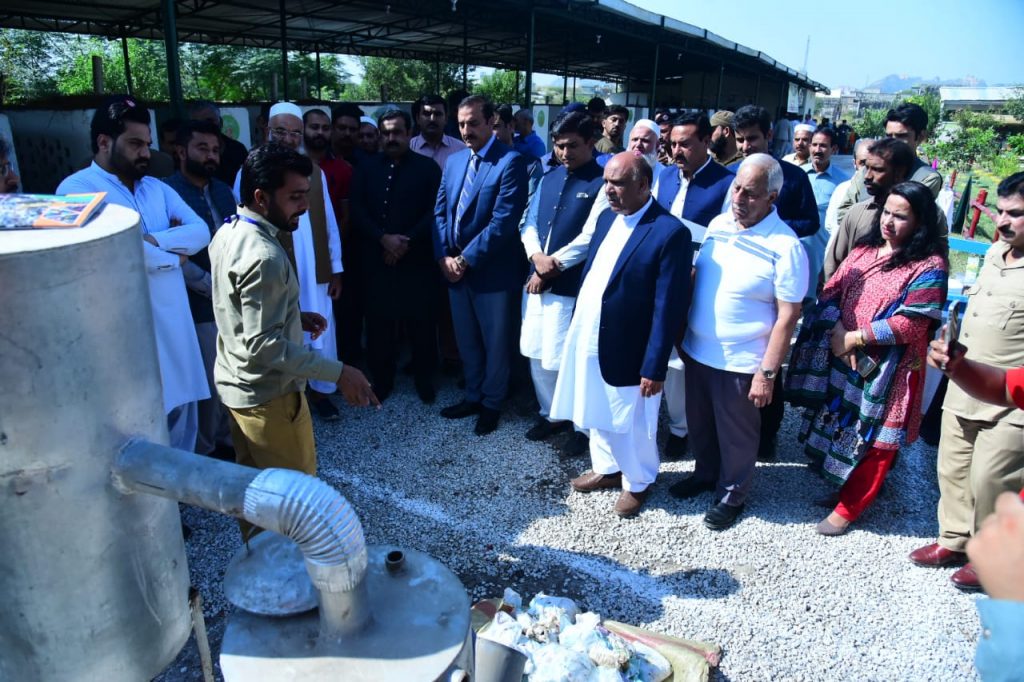
“Looking at all the items put on display at the IRRC make me feel that it is a comprehensive industry and the people attached with the project like the CEO of Dr Akhtar Hameed Khan Memorial Trust deserve appreciation. Project like these could be in private housing societies as well as public sector in Murree, Jhelum, Attock, Gujjar Khan and Rawalpindi,” he pointed out.
Similarly the rain harvesting project being run by is a commendable experiment as this water is being used for watering the plants.
If this IRRC model is replicated at the union council level that help alleviate the miseries of the people and reduce their waste. Currently the solid waste dumped in the area on the outskirts of the city has piled up like a huge mountain and the residents of the surrounding ten to fifteen villages are bearing its brunt nbut nobody has been able to find a solution to this problem. But in my view this is the solution that I have seen today and hopefully . This thing has started to move and there are many people in housing societies who are progressive and working and I appreciate them. I will try t oextend my full support to them. We should work on improving the environment of the society. I have aked my director local government that we should introduce and amendment in our laws for the approved housing societies that each and every housing society should manage their solid like MPCHS is doing. Earlier it was an obligation for housing societies to leave land for solid waste management, but now taking a step further we would like them to establish the IRRC themselves.
In her keynote speech, Sumaira Gul, shed light on journey and achievements of Dr Akhtar Hameed Khan Memorial Trust. “Dr Akhtar Hameed Khan Memorial Trust has established Integrated Resource Recovery Centre (IRRC) setups in Islamabad, Sindh and Khyber Pakhtunkhwa. The IRRCs established in Sakrand, Sindh, Islamabad and Mardan have proved fruitful and our journey is expanding and now we are working on establishing IRRCs in Hazro Attock and Haripur,” she said.
Making a handful of suggestions for Rawalpindi District Administration, Sumaira Gul said the solid waste should be segregated and then processed for which IRRCs, are proper platform. “It is a decentralized recycling and composting facility, which is built and operated at low costs by using limited mechanical technology, ensuring low operational costs and minimal equipment breakdowns. If local authorities want to utilize this facility for proper solid waste management then a waste treatment plant can be developed and handed over to a nongovernmental organization or other private local company for proper disposal of solid waste,” she added.
AHKMT, she said has developed a model for solid waste management called ‘e-guard model’, which mainly focuses on the primary collection of the waste from selected house hold in a particular area. Their range could be expanded like the way waste is collected from Rawalpindi by Rawalpinid Waste Management Company (RWMC). The collected waste material is treated at the IRRC, which is a simple and cost effective model of solid waste management. “The solid waste material is collected, segregated and processed by using modest technology for processing. It recovers valuable resources by converting organic waste into compost, which is later sold in the market as an end product and used as fertilizer,” she claimed.
Speaking on the occasion, Multi Professional Cooperative Housing Society (MPCHS) President Mohammad Aslam Rao also appreciated IRRC team and said that; “The model provides a practical solution to overcome the insurmountable waste management challenge of the country in the environmentally sustainable manner and our society is reaping its benefits”. He said that it is an environment friendly model and it provides opportunities to societies like us adding to the value of our housing schemes besides helping the societies earn appreciation from government organizations like Pak-EPA and Capital Development Authority for processing solid waste instead of dumping it.
MPCHS Vice President Chaudhry Zafar Ali, said: “IRRC B-17 is a wonderful project of waste management and the management of MPCHS and AHKMT should be given the credit for setting this up.”
Integrated Resource Recovery Center (IRRC)
Integrated Resource Recovery Center (IRRC) is a South Asian model promoting public, private and community partnership. IRRC is a physical facility where organic waste is processed and results in 10% compost production in a cost effective way by recovering value from waste besides providing provide livelihood opportunities to poor communities through a decentralized approach.
- · Uses appropriate environment friendly technologies for reducing burden of waste and creating economic opportunities
- · Operate and demonstrate 3Rs (Reduce, Reuse, Recycle ) principles
- · Capacity can range from 2-20 tons/day (manual)
- · Provides higher sustainable income and better working conditions for waste pickers and other urban marginalized communities
- · The flexibility of IRRC model is such that it can be adapted to any situation both in urban and rural areas. Moreover, it can be implemented in slum areas with any one small, medium or large scale.
IRRC Story in Pakistan
Dr. Akhtar Hameed Khan Memorial Trust (AHKMT) and e-guard have successfully replicated the model of IRRC in Pakistan in different housing societies like Jammu and Kashmir Cooperative Housing Society (JKCHS) in Sector G-15, FECHS-Jinnah Garden, (MPCHS) B-17 Islamabad and then in Mardan, Sakrand. This model has been taken to different scenarios and geographical contexts covering Fruit and Vegetable Market, I-11, Islamabad to Sakrand, a township of Sindh for resource recovery from solid waste generated by around 10,000 households.
IRRC in Mardan (Khyber Pakhtunkhwa)
AHKMT and e-guard in collaboration with Water and Sanitation Services Company Mardan (WSSCM) and NCA through a tripartite partnership designed infrastructure of IRRC at Mardan in 2019. The project was aimed at ensuring long-term sustainability, successful replication and up-scaling of the facility not only within Mardan but also in other districts of Khyber Pakhtunkhwa.
WSSC with technical support of AHKMT deals with 5 tons green waste generated in Fruit and Vegetable Market Mardan and processed to generate around 0.5 tons of compost daily. Half ton compost can help fertilize around half an acre of land which is cost effective. It directly benefited the urban marginalized population, provided waste pickers with more stable incomes and safer working conditions. Every 5 tons waste produced jobs for almost 30 persons with stable income and good working conditions.
The key achievement and impact of the IRRC model was to transform attitudes of local community towards waste management. Households, market vendors, restaurants and businesses showed supportive approach to separate organic and inorganic waste at first step. WSCC Mardan motivated farmers to use organic compost to help reduce their cost on chemical fertilizer. It supported the district government to save cost of resources to transport waste to landfill other than environmental benefits for communities and all living organisms.
Sustainability
In the past three to four years, WSSCM has produced tons of compost that has reached to the proportion that it had to auction it twice once in Year 2020-2021 in which ( tons) of organic compost was sold while in May 2023 WSSCM has also auctioned another set of 120 tons compost to be sold which has proven the sustainability of the IRRC model.
Waste to Resource
The waste-to-resource approach promotes a paradigm shift in the management of solid waste. Under this approach, rather than viewing waste as a problem and burden, it is seen as a valuable resource, one that can be managed to produce sustainable benefits for a range of actors.
IRRCs can be initiated and operated by municipalities, private sector enterprises and civil society organizations or a combination of all these through different partnership models, thus strengthening governance at local level.
Like WSSC Mardan five to six companies have been established in Khyber Pakhtunkhwa that can adopt the model and provide benefits to governments and local communities. IRRC Mardan, Sakrand and Islamabad are good models for rest of the country particularly larger metropolitan like Lahore, Karachi and Peshawar to replicate them for larger benefits of the country.